The underwater World calls to adventure seekers everywhere, but choosing between scuba diving and snorkeling can feel overwhelming. Both activities offer unique ways to explore marine environments, yet they provide vastly different experiences. At Adventure Scuba, LLC, we’ve guided countless enthusiasts through this decision, helping them discover which aquatic adventure aligns with their goals, budget, and comfort level.
The Experience: Surface vs. Depth
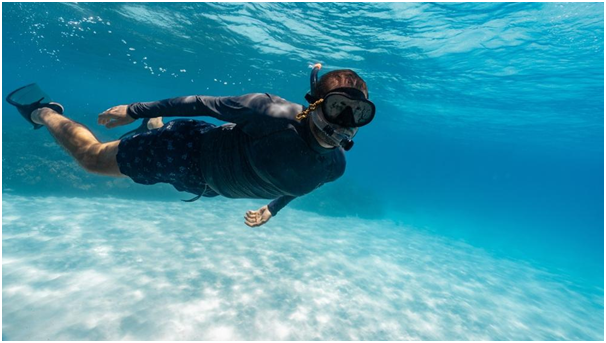
Snorkeling offers an accessible window into underwater life, allowing you to float at the surface while observing marine ecosystems through a mask. You’ll witness colorful fish, coral formations, and sea life in shallow waters, typically ranging from 3 to 30 feet deep. The experience feels relaxed and meditative, perfect for casual exploration and photography from above.
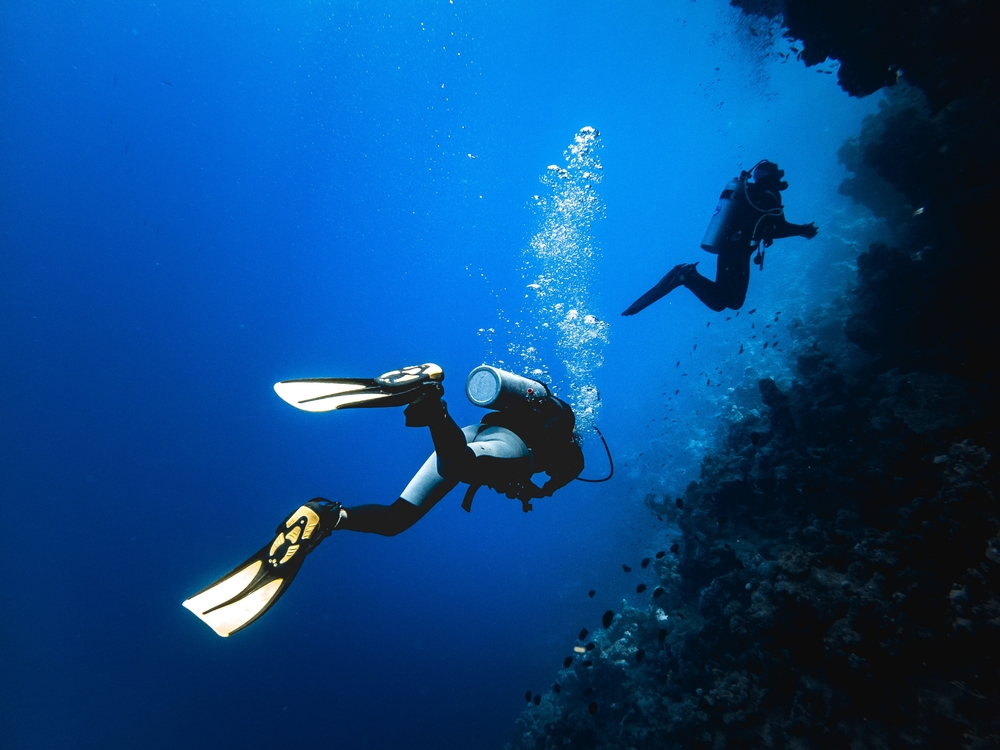
Scuba diving transforms you into a temporary resident of the underwater realm. Descending 60 to 130 feet (or deeper with advanced training), you’ll experience three-dimensional movement through the water column. Marine life behaves differently around divers versus snorkelers, often allowing closer encounters. You’ll discover hidden caves, swim through kelp forests, and explore shipwrecks that remain invisible to surface observers.
The sensory experience differs dramatically between activities. Snorkeling maintains your connection to the surface world with natural breathing and easy communication. Scuba diving envelops you in underwater silence, broken only by your own breathing rhythm and the occasional marine life sounds. This immersive quality creates profound moments of tranquility and wonder.
Gear Requirements and Investment
Snorkeling requires minimal equipment investment. A quality mask, snorkel, and fins constitute the essential gear, typically costing $50-150 for a complete set. Optional additions include a wetsuit for thermal protection and underwater cameras for capturing memories. Most tropical destinations offer rental gear, making snorkeling an equipment-light activity for travelers.
Scuba diving demands comprehensive life-support equipment. Essential scuba gear includes a buoyancy control device (BCD), regulator system, wetsuit or drysuit, weights, dive computer, and safety equipment. A complete scuba setup ranges from $1,500-3,000 for quality equipment. However, many divers begin with rental gear while building their collection gradually.
Professional scuba training in local areas requires additional investment in certification courses. Basic Open Water certification typically costs $300-500, including instruction, materials, and pool/open water sessions. This training ensures safe diving practices and opens doors to worldwide diving opportunities.
Cost Considerations
Snorkeling presents lower financial barriers to entry. Beyond initial gear costs, most expenses involve travel to desirable locations. Guided snorkel tours range from $30-80 per person, while independent snorkeling requires only transportation to suitable sites. Many beaches and coastal areas offer free snorkeling opportunities.
Scuba diving involves higher ongoing costs due to equipment maintenance, air fills, and dive boat fees. Typical diving excursions cost $60-150 per day, depending on location and services included. However, certified divers gain access to exclusive underwater sites unavailable to snorkelers, potentially justifying the additional expense.
Training costs represent a one-time investment that pays dividends through enhanced safety and expanded diving opportunities. Advanced certifications unlock deeper depths, specialized environments, and technical diving challenges for those seeking progression.
Safety and Accessibility
Snorkeling suits virtually all fitness levels and ages. Basic swimming ability and comfort in water constitute the primary requirements. The activity allows immediate surface access, making it ideal for anxious beginners or those with medical considerations that preclude scuba diving.
Scuba diving requires medical clearance and completion of comprehensive training programs. Certain medical conditions may restrict participation, though many concerns can be addressed through proper medical evaluation. Age restrictions vary by certification agency, typically starting around 10-12 years for basic programs.
Risk management differs significantly between activities. Snorkeling risks primarily involve surface hazards, marine life encounters, and weather conditions. Scuba diving introduces decompression considerations, equipment dependencies, and depth-related challenges requiring thorough training and experience.
Making Your Decision
Choose snorkeling if you prefer low-commitment exploration, have budget constraints, or want immediate gratification without extensive training. It’s perfect for family activities, casual vacation experiences, and testing your interest in underwater environments.
Select scuba diving if you crave deeper exploration, don’t mind equipment investments, and commit to proper training. This choice suits adventure seekers wanting comprehensive underwater experiences and long-term engagement with marine environments.
Local Training Opportunities
For those interested in scuba diving Fort Worth residents have access to excellent training facilities and quarry dive sites for skill development. Local instruction provides personalized attention and gradual progression in familiar environments before venturing to exotic destinations.
Your Next Adventure Awaits
Both snorkeling and scuba diving offer pathways to underwater discovery. Consider your personal goals, budget, and commitment level when making this decision. Whether you choose to explore from the surface or dive deep into the blue, Adventure Scuba, LLC stands ready to support your aquatic journey with expert guidance, quality equipment, and comprehensive training programs tailored to your needs.
The ocean’s wonders await your exploration – the only question remaining is how deep you’re willing to go to discover them.